They stopped telling me what they’d done
A cross-platform design system for a leading European fashion retailer, with three of its four designers out. I made the slow work fast, opened one door for every squad, and extended what already worked instead of copying it.

One chip group, every size
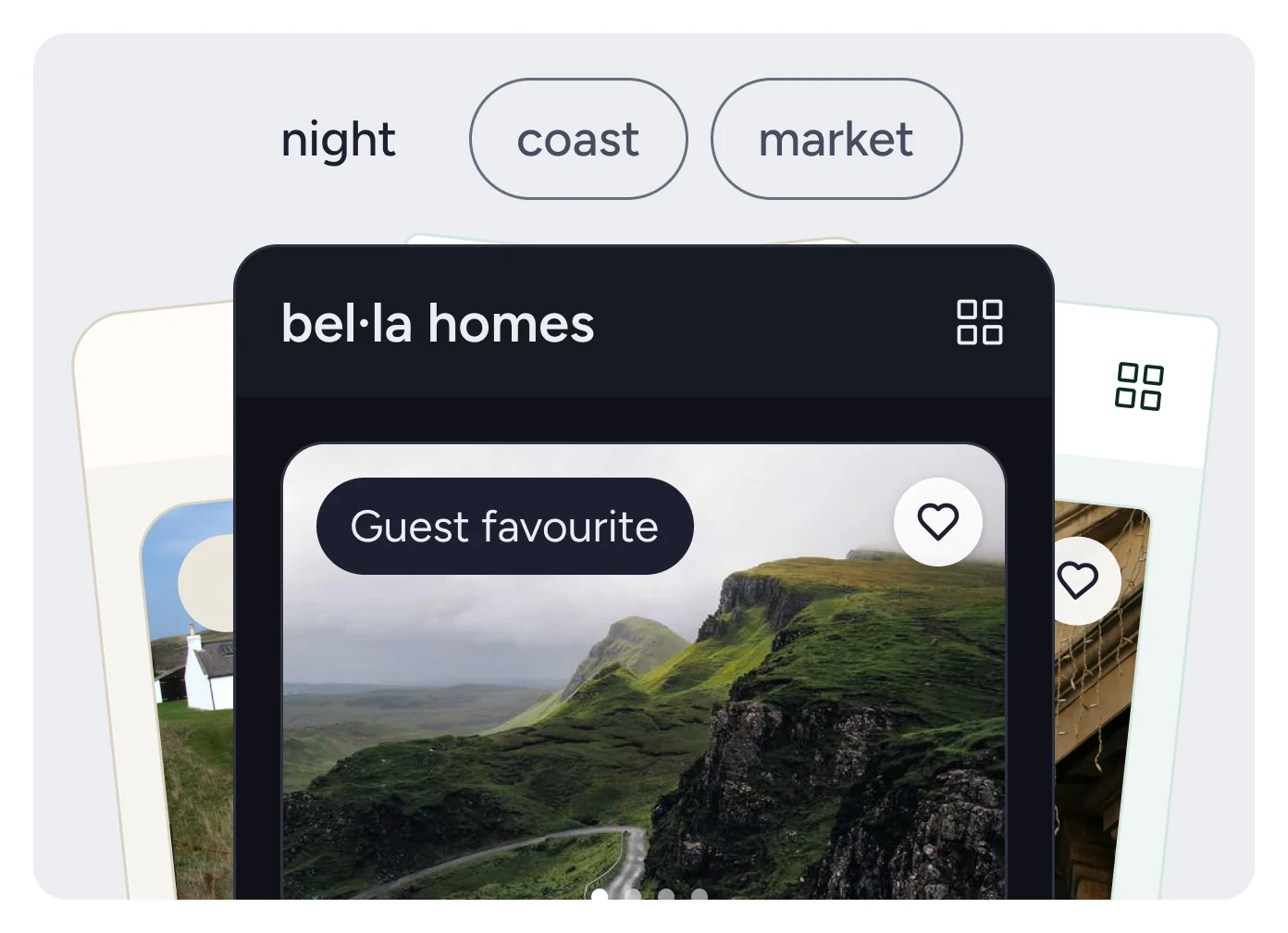
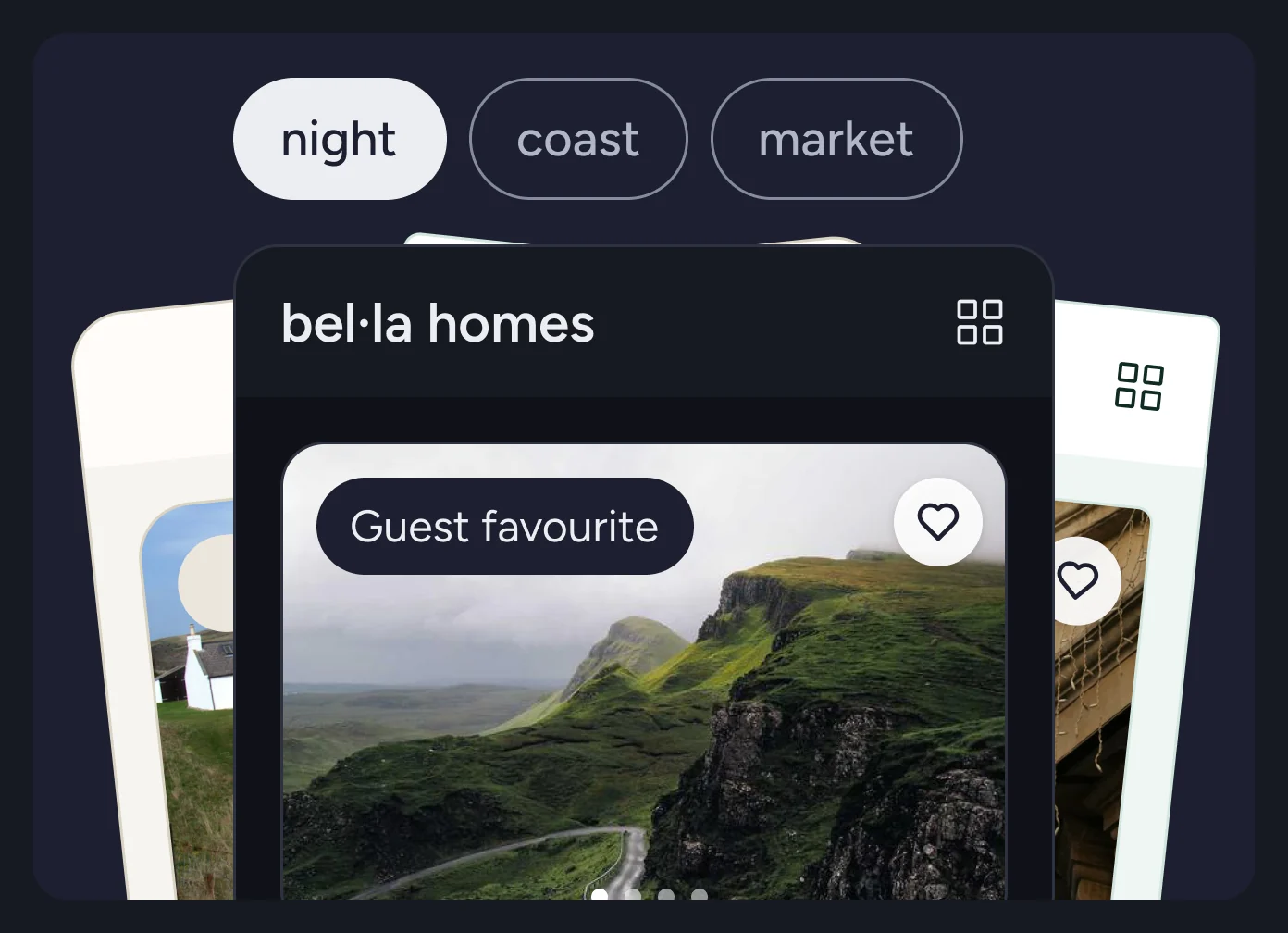
Three layouts, one chip
Trim off · trim on
< 3 min
a spacing migration of 3,882 bindings, about 12 hours by hand per platform
12 → 1
duplicated email headers, now one header with slots
50% → 100%
developer time on the system, on every platform
- Role
- Design system specialist, running it day to day
- Team
- Design manager, platform tech leads and developers, squad designers
- Timeline
- April to July 2026
- Platforms
- Web, iOS and Android
1The setup
I’ve been on both sides of a federated system.
I started my career using a federated system, then building one. Here a small system team sat between many squads, three platforms and two partner teams. Three of its four designers were out, so I ran it day to day for 13 weeks.










 Checkout
 Account and orders
 Product page
 Listing and search
 Email
Email Assistant
2What was breaking
The card already existed three times.
Squads built what they needed and told us afterwards. The product card had a published version, a post-purchase copy and a new draft, each with its own rules. Adding AI on top would only have copied the mess faster.
1 of 3 · published · swipe
- Caps title, two lines
- Colour cut off
- Close target 20px
- Discount missing
3The chip
They asked for a new chip. I reviewed it first.
The redesign asked for a brand new size selector chip. The designer also wanted negative spacing to line up the stock marks. I didn’t say no to the need. I took it to the developers and audited what the code really rendered.
Shipped

Wool blend belted coat with wide lapels
€179.99
Colour: Beige
- S
- M
- L
- XL
- 2XL
- 3XLLast units
Asked

Squad designerProduct card redesign
“The new card needs its own size selector chip. Can we add one?”
Reviewed



I’ll review it with the devs
- Code audit: product page, bag and size guide
- Blast radius: every place the chip lives
- Best practice: a slot, not a second chip
Agreed at the weekly + open desk
Decision
Kept the old chip, added a slot
- Colour
- Kept
- FabricLinenText
- Kept
- SlotSlot variant
- New
Three fills for the slot
- 3XLLast unitsSize + stock
- 10140 cmKids: age, height
- ■ BrownsColour filter
The stock marks, aligned
- 3XLAsked: −4px
- 3XLShipped: Trim
The chip already lived on the product page, in the bag, in the size guide and in the filters, and every one had to keep working. So I left the old chip as it was, added one slot variant and filled it with three types. A Trim property on the icon lined up the marks without negative spacing. I did the same with order cards and 12 email headers.
4Speed
AI took the slow work. I kept the decisions.
Claude did the checkable work: the spacing migration, dark mode coverage, accessibility checks and icon clean-up, and I checked what it did. Names, props and which requests to close stayed decisions with the platform developers.

5One way in
The value was timing.
Every week, squads brought real cases to an open desk, before anyone built. One path in: need, system team, open desk, joint decision, developer. After a retro we moved to Kanban with three in flight at most, and seven requests closed with a written reason.
6The ask
The data got the system its own developers.
The system had no baseline, so I built one: a KPI tree from business goals to system work, and a Pareto of the pain points. A few root causes held most of the pain. I asked for a small, low-risk first phase before scaling AI.
Two months after I left, leadership moved the platform developers from half time to full time on the system, on every platform. The case was mine. The decision was theirs.
7Reflection
Three things I’d do again on day one.
Most of this came from saying yes to the need and no to the copy.
What I’d keep doing
Make the slow work fast first.
Speed earns the early conversations. Fast answers are why squads started coming before they built.
Open one door, every week.
A fixed weekly desk beats ten side channels. People learn where decisions happen.
Extend before you add.
A slot keeps every old case working and gives the new one a home. Copies only add upkeep.